Anion Gap Calculator for Instant Interpretation of Lab Results
What Is the Anion Gap?
The anion gap is a quick way to estimate whether there are surplus unmeasured acids or other charged particles in the blood. It is calculated from routine electrolytes on a serum chemistry panel, usually using serum sodium, serum chloride, and serum bicarbonate. Because the result comes from common lab values, it is widely used as a fast screening tool for acid-base balance and electrolyte imbalance.
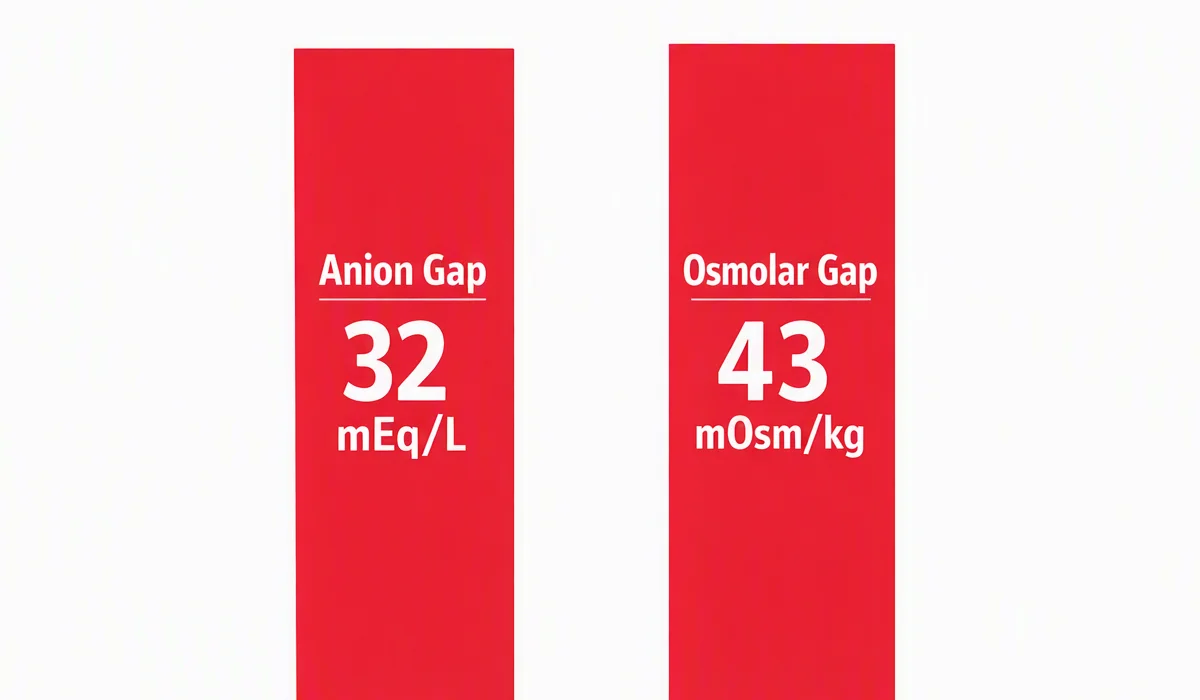
Clinically, the anion gap helps recognize whether a metabolic derangement is present, especially when evaluating possible metabolic acidosis. A normal number does not guarantee that everything is fine, but an abnormal value can be a strong clue that something is happening with acid-base status. That makes the anion gap a helpful diagnostic aid rather than a stand-alone diagnosis.
Think of it as a calculation that reflects the difference between measured positively charged and negatively charged substances in the blood. When there are extra unmeasured anions, the gap tends to go up. When albumin is low or certain laboratory conditions are present, the gap can fall. In other words, the anion gap is not just a number; it is a clue that should be interpreted in context with the lab panel, the clinical picture, and often a blood gas.
How to Use an Anion Gap Calculator
An Anion Gap Calculator provides a fast result by inputting the key serum values and using the standard calculation. Most of the time, you will enter sodium, chloride, and bicarbonate from the electrolyte panel. The calculator then returns the anion gap immediately, which is helpful when you need rapid interpretation of a lab result.
Using the calculator is straightforward:
- Add the serum sodium value from the lab panel.
- Add the serum chloride value.
- Input the serum bicarbonate value.
- Inspect the calculated result and contrast with the reference interval used by the lab.
- Determine whether the result fits the clinical scenario, such as acid-base disorder or electrolyte imbalance.
Some calculators also display whether the result indicates a high anion gap or a low anion gap. That instant result can help guide the next step in evaluation, such as obtaining a blood gas, checking albumin, or looking for causes of metabolic acidosis. A calculator is especially useful because it minimizes manual error and speeds up interpretation at the bedside or in the lab review process.
Formula for the Anion Gap and Determination
The standard anion gap equation is often written as:
Na+ - (Cl- + HCO3-)
In the equation, Na+ refers to sodium, Cl- refers to chloride, and HCO3- refers to bicarbonate. This calculation estimates the difference between measured cations and measured anions in serum. The outcome is the anion gap.
For example, if sodium is 140, chloride is 104, and bicarbonate is 24, then the calculation is 140 - (104 + 24) = 12. This value may fall within a typical reference range, depending on the laboratory’s method and reference interval.
Although the formula is simple, interpretation is the main issue. Two people can have the same number but very different clinical meanings depending on their serum values, acid-base status, and whether there is an unrecognized metabolic process. For that reason, the calculator is best viewed as a quick calculation and interpretation aid, not just a math tool.
Standard Anion Gap Range
The usual range for the anion gap depends on the laboratory technique and whether potassium is included in the calculation. Because different analyzers and reporting systems use different assays, the reference interval may vary. For this reason the lab’s own range should always be checked when reviewing lab values.
This protein is one of the most important factors affecting the result. Since albumin is a negatively charged protein, changes in albumin can shift the anion gap even when no major acid-base problem is present. A patient with low albumin may have a lower observed gap even if there is clinically significant illness.
In clinical use, the best way to interpret the number is to compare it to the lab’s published normal range and consider the patient’s serum chemistry in context. The threshold for concern may differ based on the clinical setting, but any unexpected result should prompt a closer look at the acid-base balance and the rest of the electrolyte panel.
Elevated Anion Gap Causes
A high anion gap often indicates metabolic acid buildup caused by excess acids in the blood. This occurs when unmeasured anions increase faster than the body can clear them. The result is commonly used as a shortcut to limit the differential diagnosis for acute illness.
Typical causes are:
- Lactic acidosis, which can occur when tissues are not receiving enough oxygen or when there is severe systemic stress.
- Ketoacidosis, seen in diabetic, alcoholic, or starvation states where ketones accumulate.
- Renal failure, where the kidneys cannot clear acid effectively and unmeasured acids build up.
Other causes of high anion gap metabolic acidosis also exist, but these three are among the most clinically important and commonly reviewed. A high value should not be interpreted in isolation. A patient may need a blood gas, repeat serum chemistry, or evaluation for toxic and metabolic causes depending on the presentation. The calculator gives the number instantly, but the clinician still needs to determine the underlying metabolic derangement.
Low Anion Gap Causes
A reduced anion gap is not as common than a high one, but it can still be medically important. In many cases, the issue is not a true disease process but a shift in measured serum values or a problem with the lab result. The first step is often to confirm that the value is real.
Key causes include:
- Hypoalbuminemia, which reduces the gap because albumin is a major unmeasured anion.
- Multiple myeloma, where abnormal proteins can disturb the charged balance in serum.
- Lithium exposure, since lithium can act as an unmeasured cation.
- Testing error, including specimen or analytic issues that skew the serum chemistry result.
A low result should warrant a careful review of the electrolyte panel, albumin level, and medication history. Because lab error is a real possibility, repeating the test is often reasonable when the number does not fit the clinical picture. The presence of a low anion gap does not automatically mean there is no problem; it may actually be a clue to hidden disease or a testing issue.
Corrected Anion Gap and Albumin Adjustment
The adjusted anion gap is used when albumin is abnormal, especially in hypoalbuminemia. This is important because albumin adds to the normal negative charge in serum through protein binding. When albumin is reduced, the measured gap may minimize the presence of acids.
Albumin correction helps calculate the gap more accurately by adjusting for the missing contribution of serum albumin. The exact correction method can vary slightly by institution, but the goal is the same: avoid missing a clinically important high anion gap hidden by low albumin. In many cases, the corrected anion gap offers a more reliable interpretation than the raw number alone.
For practical use, a corrected result is especially valuable when a patient has severe illness, fluid shifts, malnutrition, liver disease, or kidney disease. In those settings, serum albumin may be low enough to mask a clinically significant acid-base problem. If the calculator includes albumin adjustment, it can provide a more informative instant result and https://anion-gap-range862.overblog.fr/2026/08/anion-gap-calculator-for-medical-students.html a better sense of acid-base balance.
Clinical Meaning and Next Steps
The anion gap is best understood as part of the broader clinical interpretation of acid-base disturbance. It supports the evaluation of acid-base balance, but it does not replace a full workup. A calculator result should be reviewed alongside symptoms, medications, kidney function, and the complete serum chemistry profile.
If the result is high, the next step often includes finding the cause of metabolic acidosis. A blood gas can help determine whether there is acidic blood, how severe it is, and whether respiratory compensation is appropriate. If the gap is low or unexpectedly normal, checking albumin and reviewing the specimen for possible laboratory error can be important.
One practical approach to interpretation may look like this:
- Confirm the value using the calculator and the lab’s reference range.
- Review serum sodium, serum chloride, and serum bicarbonate.
- Check albumin and use corrected anion gap if needed.
- Use blood gas testing when acid-base status is unclear.
- Consider the differential diagnosis based on whether the result is high or low.
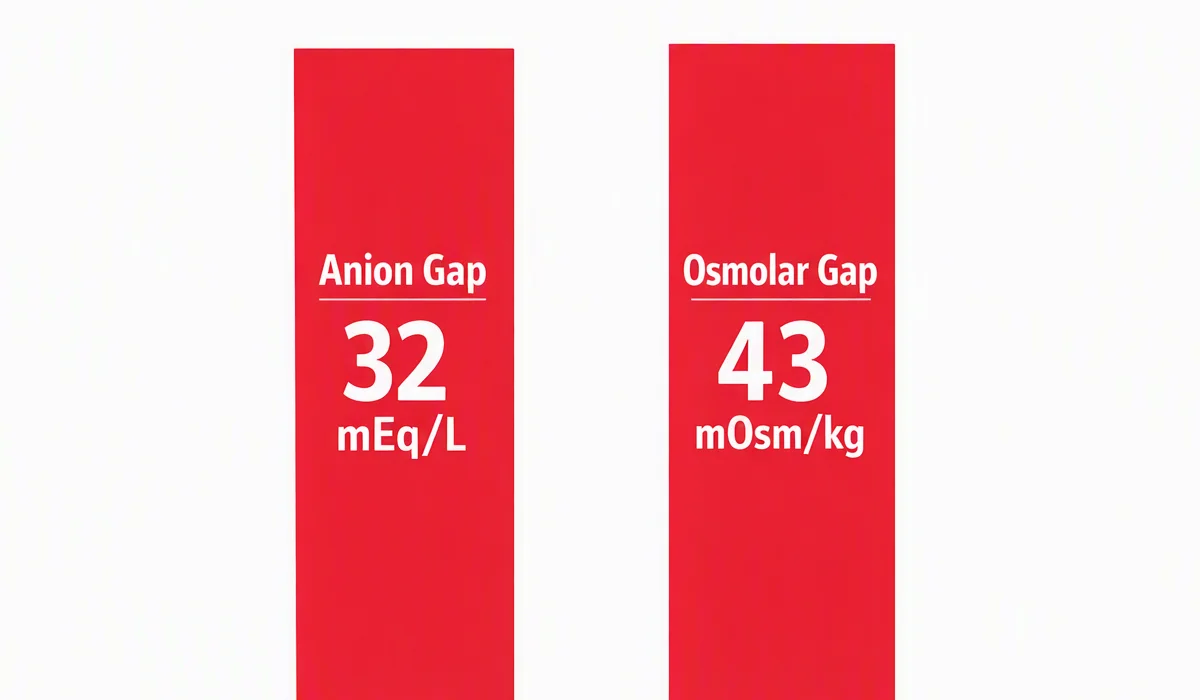
The key point is that the anion gap is a important clue, not a diagnosis by itself. It works best as an instant result tool that supports faster thinking, better triage, and more focused next-step testing.
Frequently Asked Questions
What is an anion gap calculator used for?
An anion gap calculator is used to quickly calculate the anion gap from routine electrolyte values and support interpretation of acid-base disorders. It is a diagnostic aid that helps clinicians spot possible metabolic acidosis, identify a high or low anion gap, and decide whether further testing such as a blood gas or albumin level is needed.
What is the normal anion gap range?
The normal values depend on the laboratory’s reference range and whether potassium is included in the calculation. Because methods differ, the most accurate approach is to compare the result to the lab’s own reference interval rather than relying on one universal number. Albumin and the local assay can affect the expected range.
What leads to a high anion gap?
A high anion gap is frequently due to metabolic acidosis due to excess acids in the blood. Primary causes include lactic acidosis, ketoacidosis, and renal failure. Other possibilities may also be reviewed depending on the clinical context, but these are among the key to recognize quickly.
Why would the anion gap be low?
A low anion gap can happen with hypoalbuminemia, multiple myeloma, lithium exposure, or laboratory error. Low albumin is a common reason because albumin contributes to the normal unmeasured anions in serum. If the number is unexpected, repeating the test and checking albumin are often reasonable next steps.
How do you correct the anion gap for albumin?
To correct the anion gap for albumin, clinicians use an albumin correction to calculate a corrected anion gap. This adjustment accounts for the effect of low serum albumin on the measured result. Because albumin affects protein binding and the balance of unmeasured anions, correction can reveal a hidden high gap that the raw number may miss.